How Does Raising Interest Rates Fight Inflation? Explanation for Dummies 😎
The Fed just raised rates for the first time since 2023. Here's what it means for your debt, your savings, and your plan.
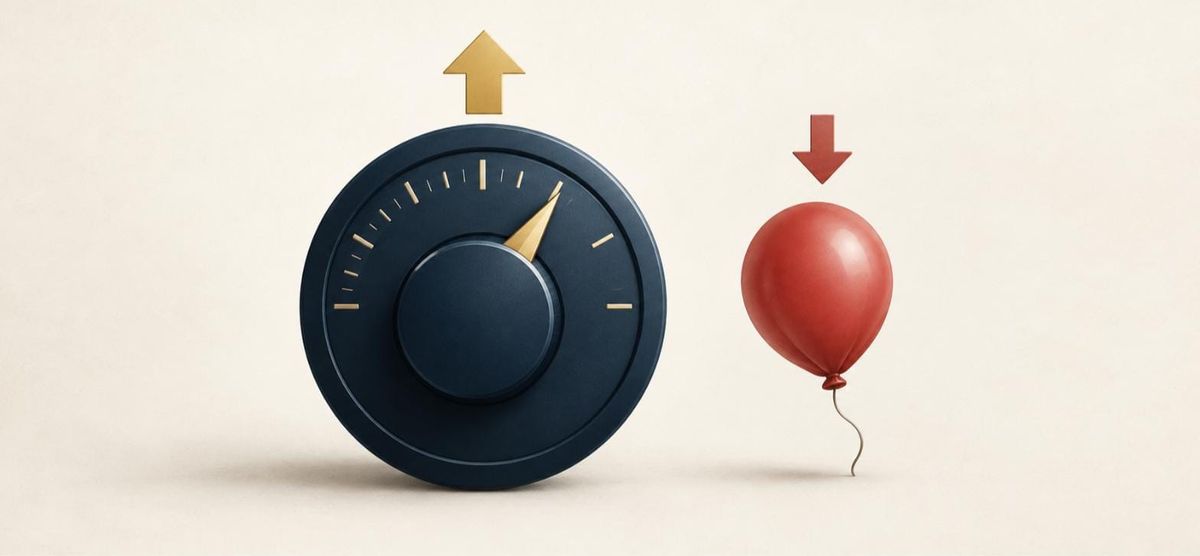
Here's the simple version. On September 16, the Federal Reserve raised interest rates for the first time since 2023, and signaled another hike could come before the end of the year. So what does that actually mean for your wallet?
🔥 How raising rates fights inflation
When prices rise too fast (inflation), the Fed raises interest rates to cool things down. Higher rates make borrowing more expensive: mortgages, car loans, credit cards, business loans, all of it.
When borrowing costs more, people and businesses borrow less and spend less. Less spending means less demand, which eventually slows down price increases.
It's the Fed hitting the brakes on the economy before it overheats.
💳 What it means for you
A $5,000 credit card balance at 24% APR already costs you about $100 a month in interest alone. Every rate hike nudges that number higher. Same balance, bigger bite. New mortgages and auto loans move in the same direction.
But it's not all bad news: high-yield savings accounts, CDs, and money market funds tend to pay more when rates go up. Your cash can actually work for you.
✅ A few things you can do
- Think twice before new debt. If rates keep climbing, every dollar you borrow gets more expensive.
- Attack high-interest debt first, especially credit cards. The less you owe, the less you're bleeding to interest.
- Put your savings to work. Even small amounts in a high-yield savings account or CD can earn you something real.
Enjoyed this? Subscribe to The Working Investor and get the next one straight to your inbox.
Educational content only — not personalized investment advice. I'm not a licensed financial advisor.